See this list of invasive plants to avoid. Plant these instead!
Non-native invasive plants can cause big problems for native plants and animals. Biologists and other scientists now commonly refer to non-native plant invasions as one of the most serious problems facing native plant and wildlife populations in the United States. But how do these invasions occur?
What is a native plant, and what isn’t?
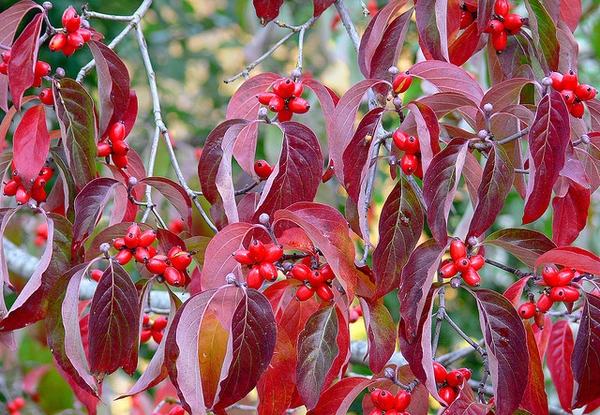
The native flowering dogwood (Cornus florida) produces fruits that wildlife eat. Image by James Gaither CC BY-NC-ND
Native plants are species that evolved naturally in a region without human intervention. These plants developed and adapted to local soil and climate conditions over thousands of years and are vital parts of local ecosystems, supporting the survival of pollinators, insects, birds, mammals, and other wildlife. Native plants form interdependent, highly specialized relationships with other organisms that are necessary for each other’s survival. Replacing natives with plants from other regions cannot replicate the naturally occurring complex interactions.
Non-native plants are those not originally located in North America or in a specific region, like North Carolina. In North Carolina, many non-native plants come from Asia or Western Europe because these regions have climates and environmental conditions similar to those in the state.
How did non-native plants get here? While some non-natives have arrived here accidentally, many were intentionally brought here for use as ornamental, lawn, and garden plants. They were chosen for their attractiveness and hardiness. Some of these non-natives have been here so long that we don’t even realize they are not native. Callery 'Bradford' pear, Chinese privet, Japanese Honeysuckle, and Queen Anne’s lace have become such common sights that we tend to think of these plants as native, but they aren’t. Other plants, such as multiflora rose, bicolor lespedeza, and autumn olive, were even introduced for the purpose of promoting "wildlife habitat." However, these introductions have proven detrimental in some ways to North Carolina's native plants and wildlife.
Biodiversity is better for native wildlife. Over thousands of years, native plants and animals have evolved together. Natural checks and balances developed in the environment, reducing the chance that a single plant species will increase in number to the point where it completely dominates a plant community. Competitors, diseases, and insects control a plant's growth and dispersal throughout the native range.
Without natural checks, non-native plants can become invasive. The same characteristics that make many non-native plants attractive in urban landscapes – colorful berries, pest resistance, and tolerance to harsh conditions – make them difficult to contain. Non-native plants that are attractive to birds and other wildlife are often the most invasive because animals serve as great dispersers of fruits and seeds, often moving the seeds great distances away from where the fruits were eaten. Autumn olive is a non-native plant that produces fruits favored by birds, but the plant grows and often spreads quickly where the seeds are defecated. When a non-native species becomes “naturalized,” or when that plant is able to survive, spread, and reproduce on its own, it can invade the native habitat and crowd out native species. Approximately 25% of the plants growing wild in the United States are naturalized non-natives, some of which have become invasive, growing uncontrolled where native plants otherwise would occur. Native fruit-producing plants may succumb to competition from these invasive non-natives, reducing the variety of foods available to birds and other wildlife.
Native plants are never invasive. The term invasive applies only to non-native plants; invasive implies a negative effect on native plants and animals. On the other hand, native plants that establish quickly in your garden and spread readily are better described as “aggressive.” Aggressive native plants are generally species adapted to recently disturbed sites that establish and spread quickly but give way to other native plants within a few years.
Invasive plants can be attractive to wildlife but not good for them. Areas covered with only a few invasive, non-native plant species can be harmful because the limited variety of plant species limits the variety of nutrients available to wildlife. New evidence from the Midwestern United States indicates that birds nesting in some non-native shrubs experience poor nesting success. Lower nest height, the absence of sharp thorns on non-native plants, and different branching patterns can allow predators easier access to nests.
Not all non-native plants are invasive. There are many non-native plants that do not become invasive, and many can safely be planted in your landscape. However, it can take many years, or even decades, to fully understand a non-native plant's potential invasiveness. New information is continually gathered; check with your local nature center, botanical garden, or Cooperative Extension agent to find out about a plant's invasiveness before introducing it to your property.
We already know that many plants are invasive, and these pose the greatest risk to North Carolina's native plants and animals. Yet despite the growing body of knowledge related to the potential problems of non-native plants, species like sawtooth oak continue to be recommended as plantings to encourage wildlife. Until we have adequate information on the invasiveness of such plants, we should use native alternatives.
Lists of Invasive plants that you should avoid introducing into your landscape