CONTENTS
- General Soils Information
- Soil Testing
- Fertilizers
- Composting
- Cover Crops
- Urban Soils
- Web Tools
- Answers to Frequently Asked Questions - SOILS
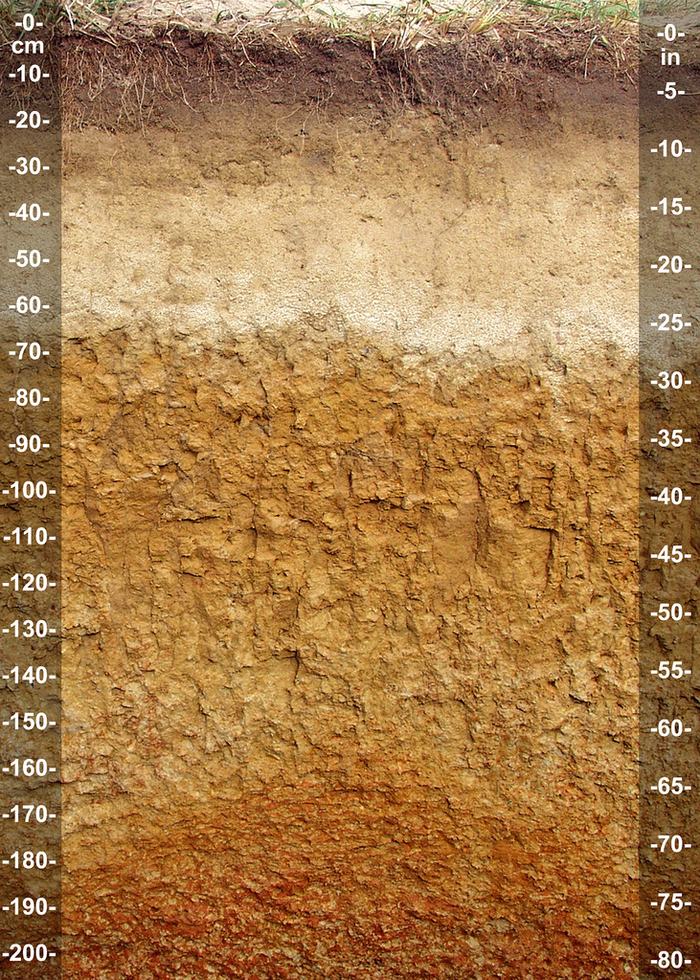
General Soils Information
NC State Soil Science CC-BY
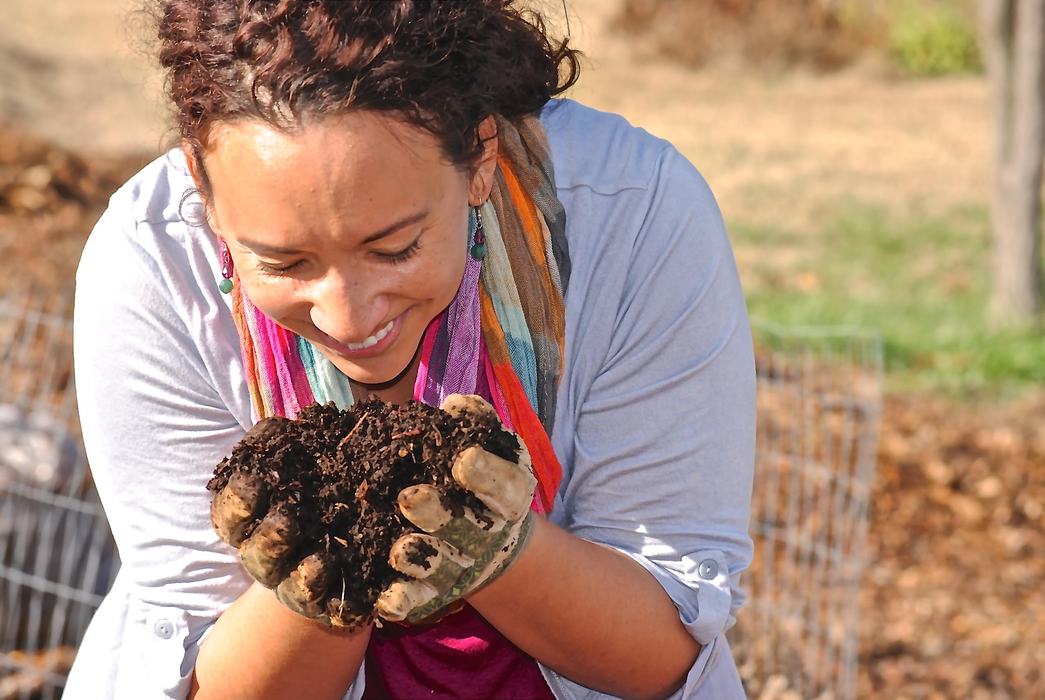
- Composting / Vermicomposting Portal
- Composting Chapter of the Extension Gardener Handbook
- Composting Resources, Growing Small Farms
- Backyard Composting of Yard, Garden, and Food Discards
- Vermicomposting, Includes information on Earthworm facts, Worms and Worm Bins, For Households, For Schools, For Businesses, Farms, Institutions, Municipalities
- Worms Can Recycle Your Garbage
- Raising Earthworms Successfully
- Herbicide Carryover. Broadleaf herbicides applied to pastures can be consumed by livestock and passed through to manures. The herbicides may also be present in straw and hay. This publication identifies the types of herbicides, crops sensitive to the herbicides, how to prevent contamination, and how to test.
Cover Crops
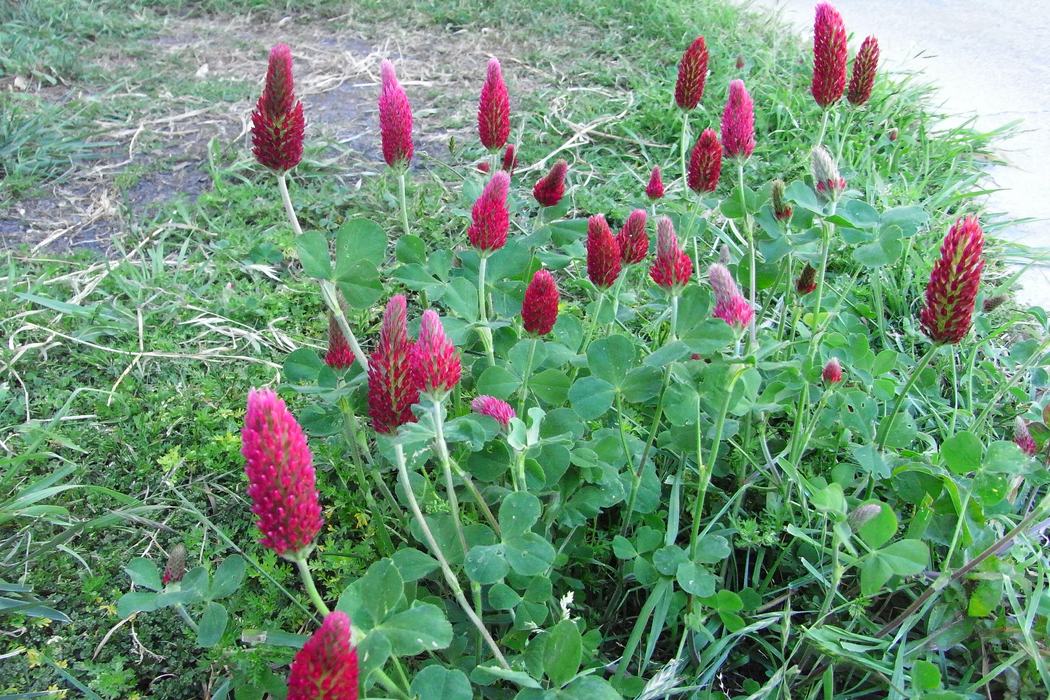
Cover crops are grown to improve soil health, suppress weeds, prevent erosion, add nitrogen, improve water quality, provide habitat for pollinators and other beneficial insects, and enhance biodiversity. At maturity, rather than harvesting them, cover crops are tilled into the soil or left on the soil surface to break down, adding organic matter which improves soil structure. For more information see:
- Tailored recommendations for cover crop species for your location and goals. The Precision Agriculture Cover Crop Species Selector
- Cover Crops for Sustainable Production
- NC State Extension Cover Crops website
- The Extension Gardener Handbook, Organic Gardening chapter, section on Cover Crops
Urban Soils
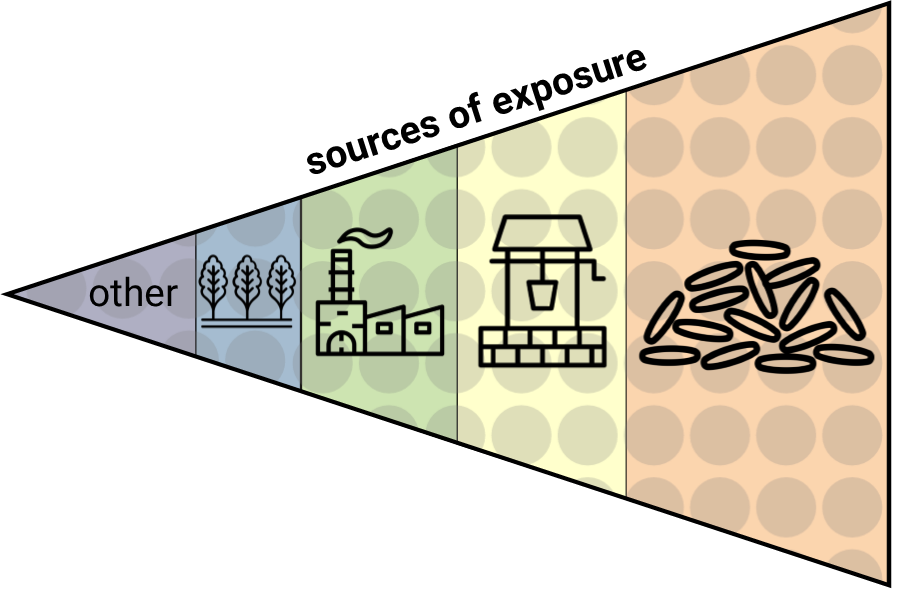
- Publications
- Minimizing Risks of Soil Contaminants in Urban Gardens
- Managing Persistent Broadleaf Herbicides in the Garden
- Managing the Impact of Floodwater Contaminants on Soil and Produce in Residential, Community, and School Vegetable Gardens
- Reusing Potentially Contaminated Landscapes: Growing Gardens in Urban Soils. Environmental Protection Agency. 2011.
- Specific Soil Contaminants (Arsenic, Cadmium, Chromium, Diesel Range Organics, Lead, Mercury, and Nickel)
- Soil Safety Videos
- Check your Dirt NC! An informative questionnaire to learn about your relative risk and strategies to keep you and others safe while gardening and eating food that you grow.
- 1 Hour Video - Soil contaminants in the garden: how to identify, potential health impacts, and management strategies to mitigate risks
- Healthy Soils, Healthy Communities, Cornell
- Explore previous land use:
- NC Department of Environmental Quality Control Community Mapping Tool
- North Carolina Sanborn Maps
- Local County Register of Deeds office
- Property tax records at your local County tax office
- Open Data: NC OneMap, examples of cities Charlotte, Durham, Raleigh
Web Tools
NC State Soil Science CC-BY
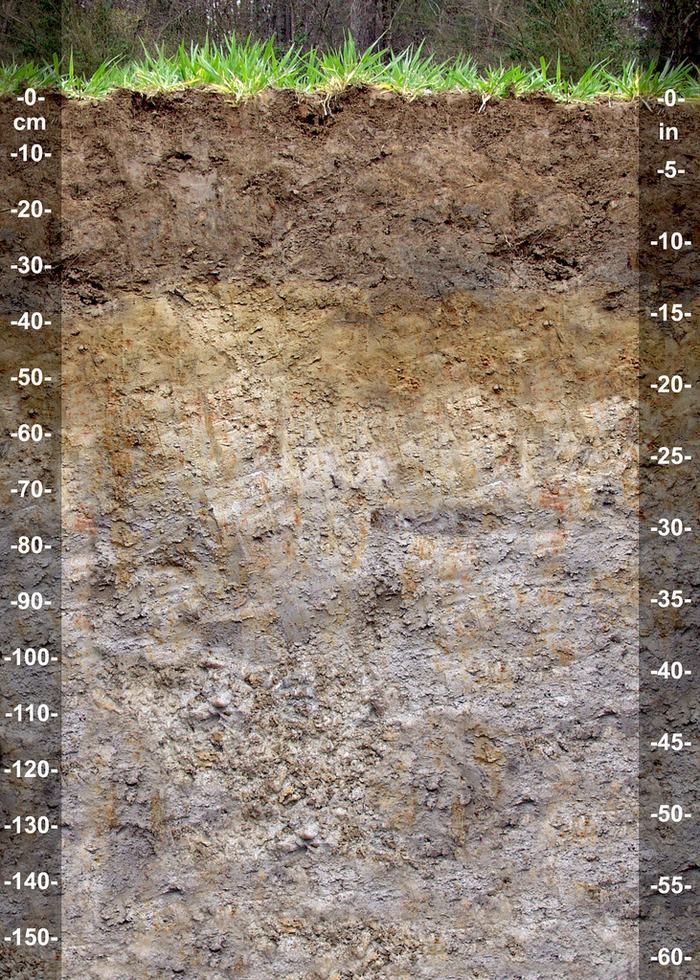
SoilWeb Apps - GPS-based, real-time access to USDA-NRCS soil survey data, formatted for mobile devices. This application retrieves graphical summaries of soil types associated with the user's current geographic location. Images are linked to detailed information on the named soils.